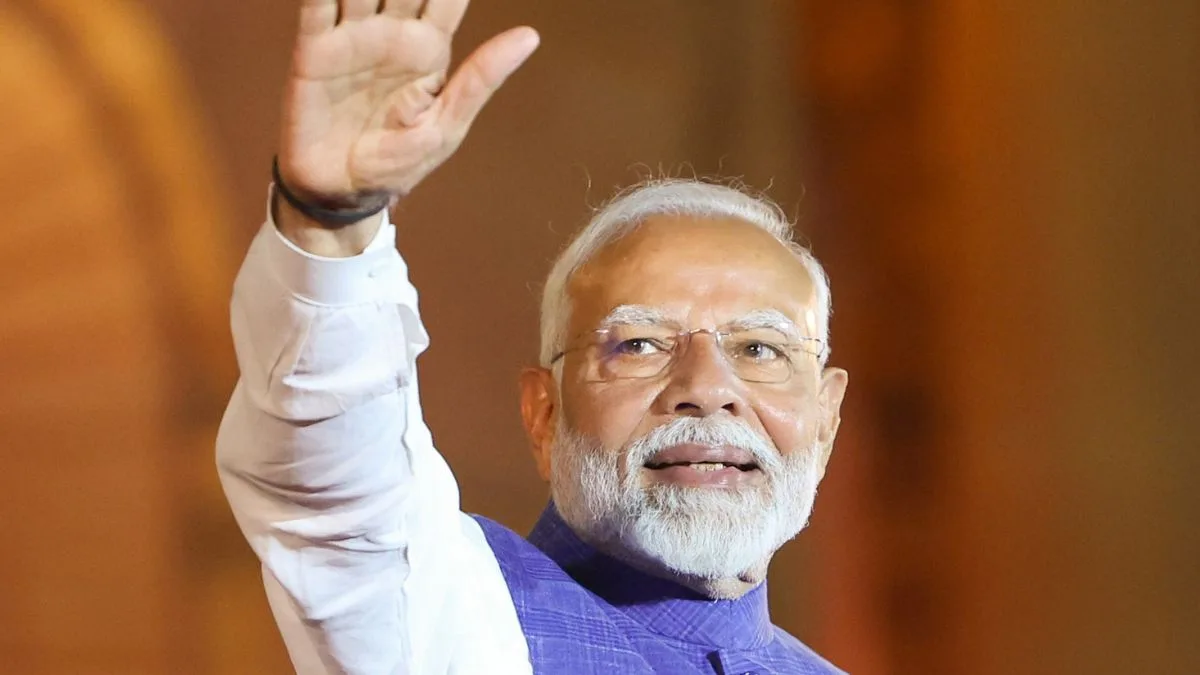
Prime Minister Narendra Modi said that balanced and proactive diplomacy, coupled with effective strategy and resource management, enabled India to tackle the crisis arising from the West Asia war and mitigate its adverse impact on the country’s people and economy.
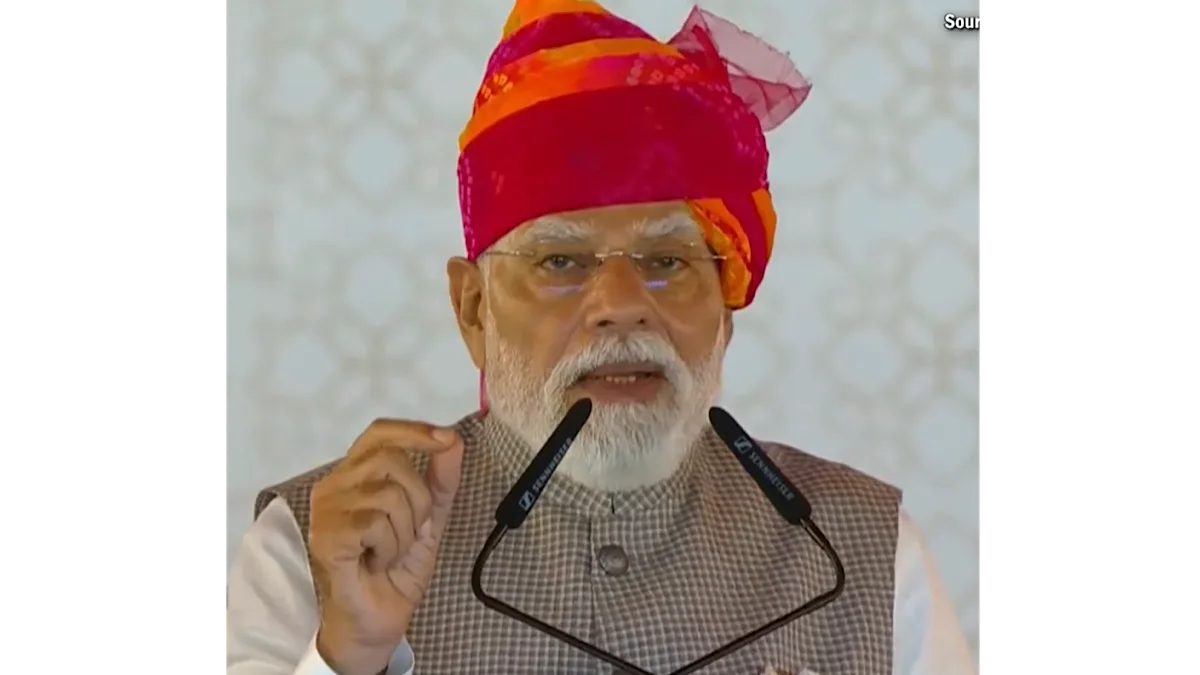
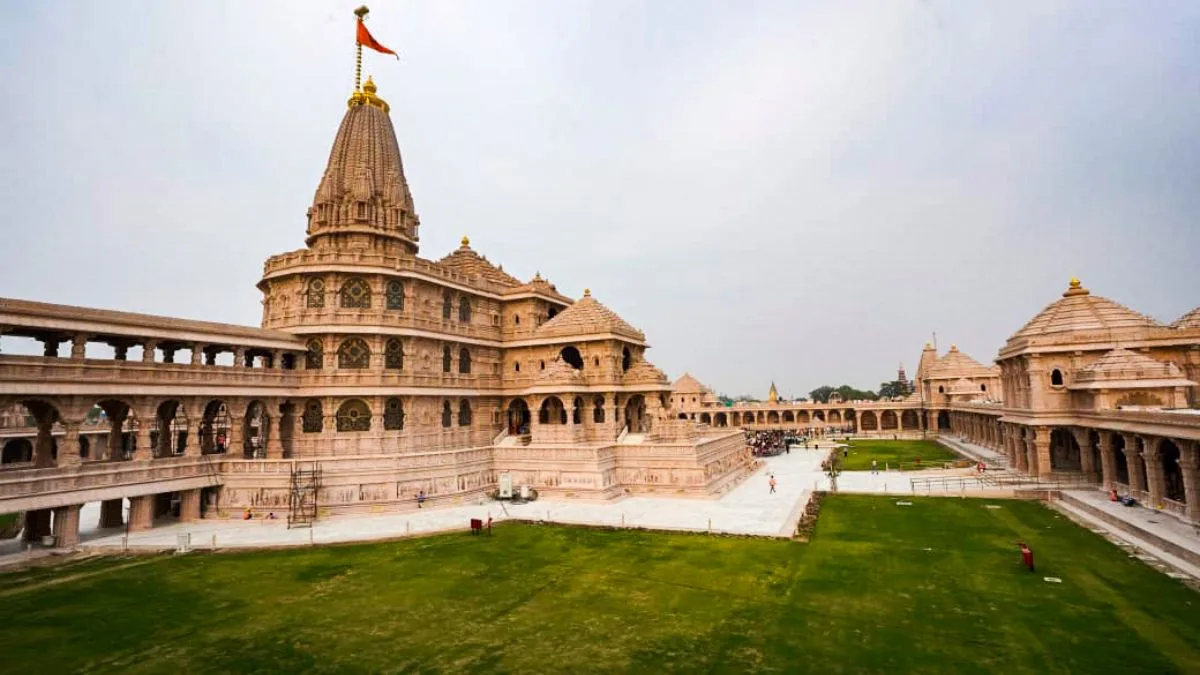
Addressing a public meeting at Pachpadra after inaugurating the first Greenfield oil refinery and other ultra-mega projects, the Prime Minister asserted: “The West Asia war has triggered the most severe energy crisis of the 21st century. However, the strategy, steps and efforts made by New India have overcome the biggest crisis of this century.”
Advertisement
Praising New India’s resilience, capability and determination in overcoming difficult times, Modi said: “West Asia Yudh Ki Vajah Se Poori Duniya Me Hahakar Macha Hai, Har Desh Trast Hai (The West Asia war has caused widespread disruption across the world, and every country is distressed).
“However, the situation in India is different. Our balanced diplomacy, our friendship with many countries, and the strategy, efforts and resource management of New India have helped us overcome the biggest crisis of this century,” he said.
“We took timely decisions, assessed the situation correctly, planned an effective strategy, utilised our diplomatic capabilities and succeeded,” the Prime Minister added.
He said that India imports more than 60 per cent of its domestic LPG requirement, and about 90 per cent of those imports come from the Gulf region through the Strait of Hormuz. The war disrupted these supplies, placing the country on the verge of a major crisis.
Without naming the Opposition, Modi said: “Some groups and forces were busy spreading rumours and trying to worsen the situation. However, our management succeeded, leaving them disappointed and frustrated.”
“At this juncture, our friendship with many countries also came to our rescue. Earlier, India imported LPG from about 25 to 26 countries. During this difficult period, we expanded imports to more than 40 countries,” he said.
At the domestic level, he said, the government immediately directed the HPCL Rajasthan Refinery to increase LPG production. Seven other refineries were also instructed to enhance LPG output, while those not producing LPG were asked to reconfigure their plants to manufacture it.
“Within a week, LPG production increased from 35,000 metric tonnes to 54,000 metric tonnes,” Modi said.
He added that the government also expanded the piped gas network to curb leakages and theft and connected around 11 lakh additional households during the crisis. The government ensured that consumers were not burdened with higher LPG prices, which otherwise could have doubled.
He noted that the government had reduced the price of commercial LPG cylinders just two days earlier.
Referring to the global fuel situation, Modi said the world was also facing a petrol and diesel crisis. At one point, crude oil prices had surged from around USD 70 per barrel to USD 120 per barrel. Petrol and diesel prices had risen by 40 to 50 per cent in many countries, while some nations had even introduced fuel rationing.
“However, in India, consumers were protected from this additional burden. We did not increase domestic fuel prices despite oil marketing companies incurring losses of more than Rs 75,000 crore,” he said, adding that the government had decided to compensate the oil companies for these losses.
Modi alleged that rumours had been spread and attempts made to provoke people and create unrest for political gains. “Those who wanted to see India and the government in difficulty have been left frustrated and disappointed,” he remarked.
The Prime Minister also targeted the Congress, accusing it of delaying the refinery project.
“The foundation stone of this project was laid in 2017. However, after the Congress government came to power in Rajasthan in 2018, it did not cooperate, and work on this ultra-mega project was stalled,” he said.
He added that after the BJP’s “double-engine” government assumed office in Rajasthan in December 2023, work on the project was expedited, leading to its inauguration.
“We will not stop here. India currently ranks fourth among the world’s leading refining nations, and we will further improve our position,” Modi said.
He also outlined the government’s measures to reduce the impact of the war on farmers, industries and other sectors.
“In the wake of the war, a bag of urea was being imported at around Rs 3,000, but the government supplied it to farmers at Rs 300 per bag,” he said.
The Prime Minister also highlighted recent initiatives to improve water availability in Rajasthan and praised Chief Minister Bhajan Lal Sharma and his government for their sustained efforts in this regard.
Chief Minister Bhajan Lal Sharma and Union Petroleum Minister Hardeep Singh Puri also addressed the gathering. Governor Haribhau Bagade, Deputy Chief Ministers Diya Kumari and Dr Prem Chand Bairwa, along with several other dignitaries, were present on the occasion.